


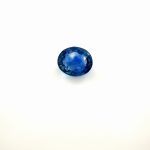
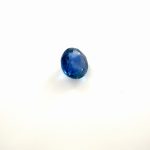
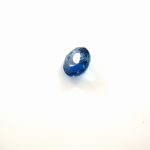
Ethiopia has emerged in recent decades as one of the most exciting newer sources of fine corundum in the world. Productive deposits lie in the country’s northern highlands, where ancient volcanic terrains yielded sapphire and ruby that began reaching international markets in the early 2000s. Ethiopian sapphires are known for their lively, open colors — blues that can range from soft cornflower to rich royal tones — and for crystals that often cut bright, clean stones. The development of the Ethiopian gem trade has brought new opportunities to local communities and has given the global market a well-documented origin with growing prestige. Laboratories such as GIA now routinely issue reports on Ethiopian material, giving buyers confidence in both identity and origin. For collectors and designers, an Ethiopian stone represents a modern classic: a genuine, natural sapphire from an origin whose reputation continues to rise. Sapphire is the colored variety of the mineral corundum, a crystalline form of aluminum oxide that ranks 9 on the Mohs scale of hardness — second only to diamond among natural gemstones. This extraordinary hardness makes sapphire one of the most durable choices for jewelry that is worn every day, which is why it has anchored engagement rings, signet rings, and heirloom pieces for generations. Although the word sapphire is most often associated with blue, the mineral actually occurs in nearly every color of the rainbow, each hue produced by trace elements within the crystal. Blue sapphire owes its color to iron and titanium, while the precise shade depends on their proportions and on the conditions in which the crystal grew. Beyond hardness, sapphire is valued for its luster, its ability to take a bright polish, and its excellent resistance to heat and chemical exposure. Few gemstones combine beauty and practicality so completely, which is why sapphire remains one of the ‘big three’ of the colored stone world alongside ruby and emerald. Offered here is an individual loose sapphire of blue color, presented in a cushion cut. Each loose gemstone in our inventory is one of a kind: its exact combination of origin, color, weight, and outline exists only once. The cushion silhouette gives a designer generous flexibility — it can anchor a solitaire engagement ring, sit gracefully in a pendant, or be paired with accent stones in a more elaborate composition. Importantly, this particular stone shows no indications of heating or other treatment, as documented in its laboratory report. Untreated gemstones of fine color represent a small minority of production, because nature rarely produces crystals that need no improvement. For this reason, no-treatment stones carry enhanced rarity and are especially prized by collectors and connoisseurs. We state this clearly because transparency matters: knowing a stone is entirely natural, exactly as it came from the Earth, is part of its story and its value. This stone comes with a GIA laboratory report, available with the listing, documenting its identity and key characteristics. It belongs to our Premium Collection, a curated group of stones selected for their individual qualities. For a design brief centered on a natural sapphire, this gemstone offers a defined and honest starting point: a documented source, a stated treatment, and a shape ready to guide a bespoke setting. The final visual effect will depend on the finished setting and lighting — yellow gold will warm the color, white gold or platinum will keep it cool and crisp. Designers can use the stated weight and outline to plan a custom ring, pendant, or another one-of-a-kind jewel that will be worn, enjoyed, and eventually passed on.
Previous product

Certified Blue Sapphire from Pailin 1,13 carat
2,000.00$ inc. VAT
Next product

Certified Blue Sapphire from Pailin 1,09 carat
2,000.00$ inc. VAT

Certified Blue Sapphire from Ethiopia 1,05 carat
2,000.00$ inc. VAT
This NO TREATED GIA certified blue sapphire from Ethiopia weighs 1.05 ct and is cut in a cushion form.
Its stated color and silhouette offer a considered starting point for custom jewelry, with its GIA report available.
Check GIA report below!
Availability:
In Stock
Ask a Question
Related products


Certified Blue Sapphire from Ethiopia 1,08 carat
1,200.00$ inc. VAT


Certified Blue Sapphire from Ethiopia 1,01 carat
1,000.00$ inc. VAT
Hot
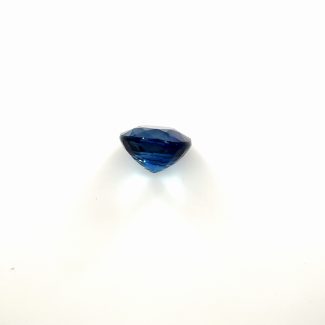
Certified Blue Sapphire from Pailin 1,13 carat
2,000.00$ inc. VAT


Certified Blue Sapphire from Ethiopia 1,00 carat
1,000.00$ inc. VAT


Certified Blue Sapphire from Pailin 2,20 carat
1,520.00$ inc. VAT


Certified Blue Sapphire from Pailin 1,08 carat
1,320.00$ inc. VAT

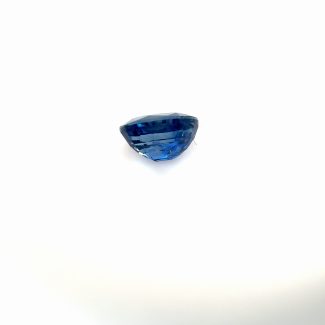
Certified Blue Sapphire from Pailin 1,08 carat
1,020.00$ inc. VAT


Certified Blue Sapphire from Pailin 1,07 carat
1,020.00$ inc. VAT


Certified Madagascar Blue Sapphire 1,05 carat
830.00$ inc. VAT
Hot
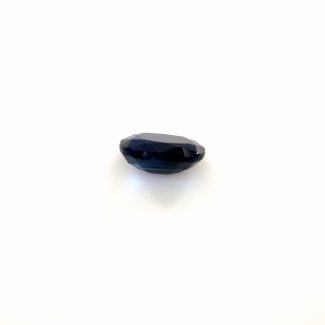
Certified Blue Sapphire from Pailin 1,09 carat
2,000.00$ inc. VAT
Recently Viewed

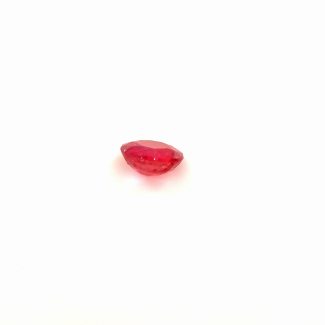
Certified Ruby from Pailin 0,59 carat
300.00$ inc. VAT