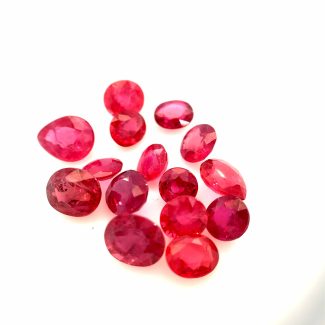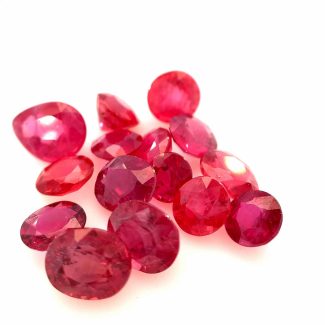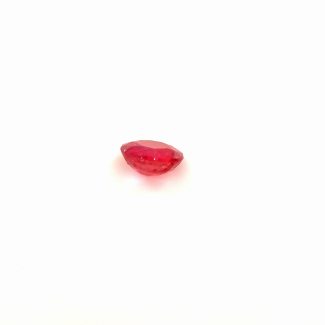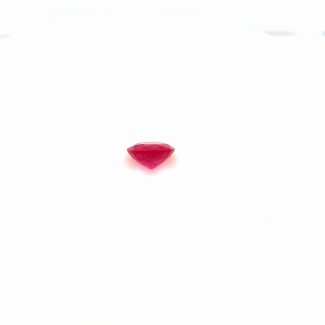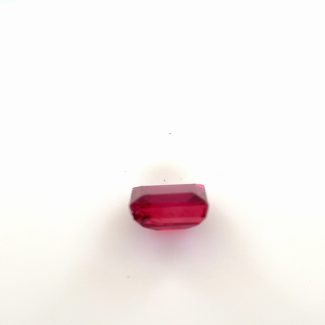


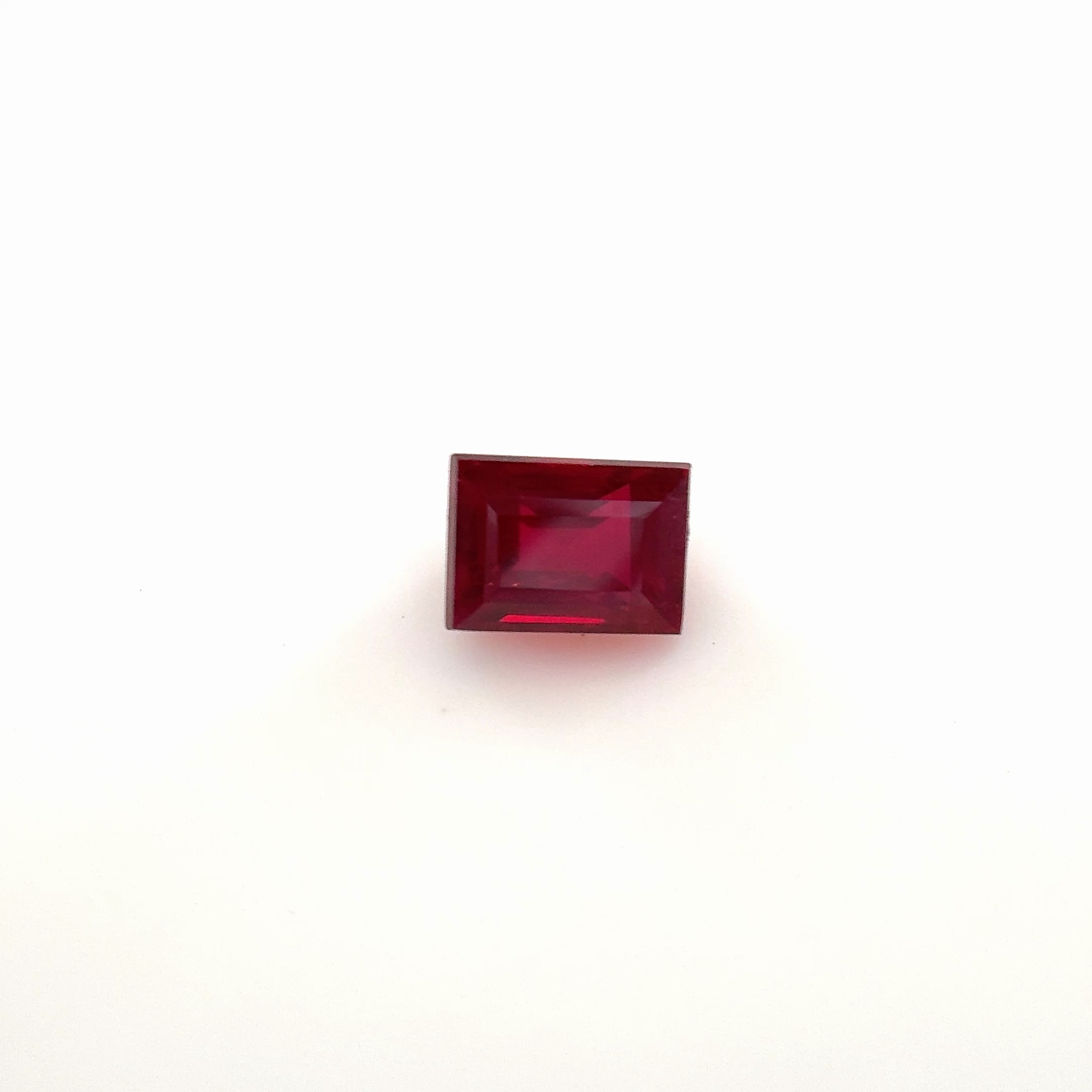
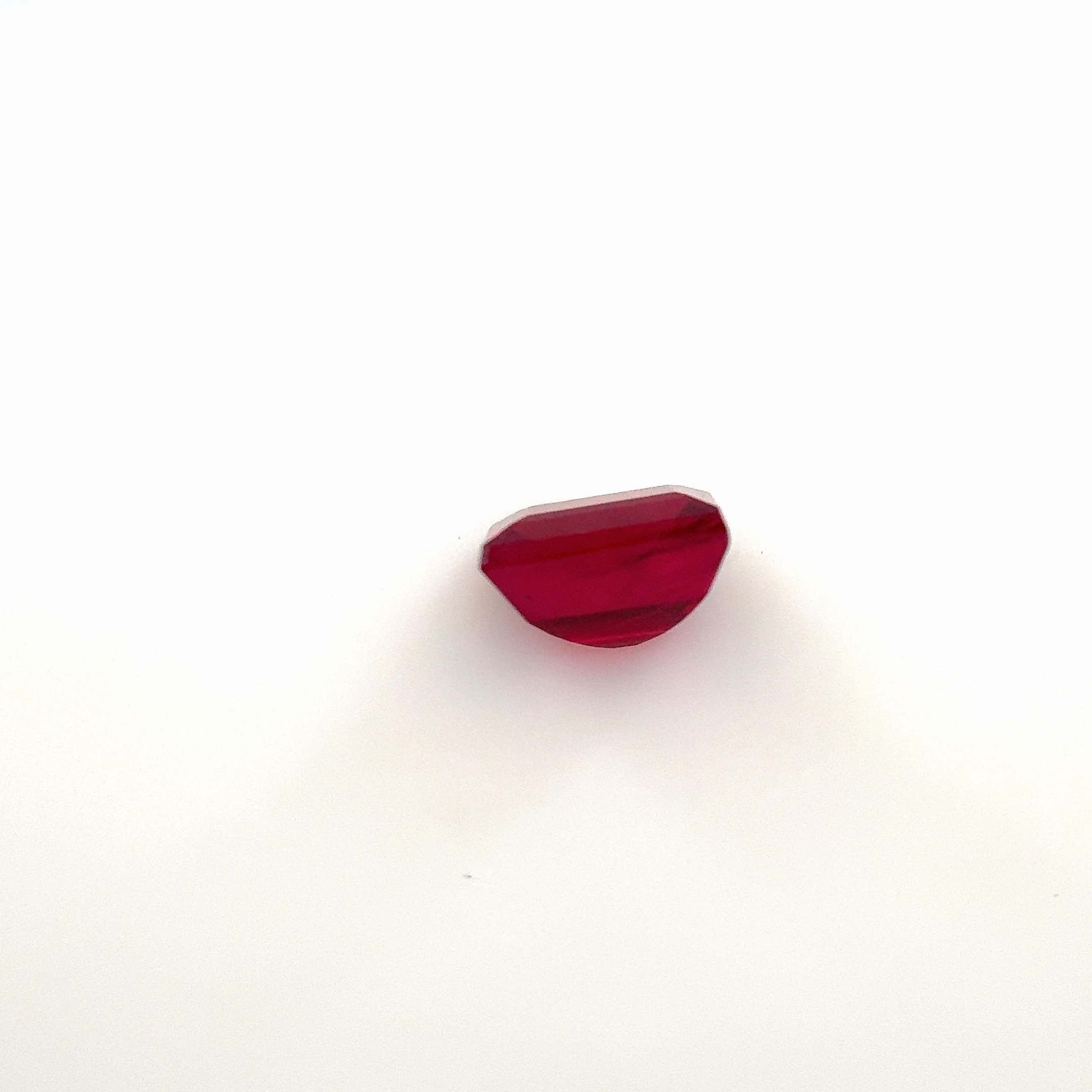


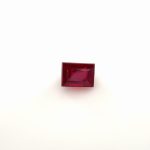
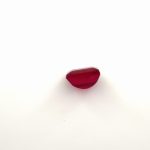
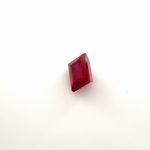

This GIA certified Madagascar ruby weighs 0.51 carat and is cut in a rectangular form.
Madagascar, the vast island off the southeastern coast of Africa, has become one of the most important sources of fine gemstones in the modern era. Gem discoveries began in earnest in the 1990s, when deposits of sapphire, ruby, and many other colored stones were found across the island’s highlands and river basins. Within a few years, Madagascar transformed the world market, offering material that ranges from pastel pinks and violets to rich blues and reds. The island’s gem fields are worked by a combination of small-scale artisanal miners and more organized operations, and the country’s stones are traded through cutting centers in Asia and Europe. Madagascar is now firmly established alongside classic origins, and many dealers regard its corundum as fully comparable in quality to material from older sources. For buyers, Madagascan gemstones offer documented provenance, characterful color, and excellent value within the fine gem market. Ruby is the red variety of corundum, and it stands among the most coveted gemstones on Earth. Like sapphire, ruby ranks 9 on the Mohs scale, making it exceptionally well suited to rings and other jewelry that must withstand daily wear. Its color comes from chromium, the same element that gives emerald its green, and in ruby the finest reds — the legendary ‘pigeon’s blood’ tone — display a fluorescence that makes the stone appear almost glowing from within. Historically, ruby has been treasured by emperors and dynasties across Asia, where it was associated with power, protection, and passion. The combination of rich color, rarity in fine quality, and outstanding durability keeps ruby firmly among the most valuable colored gemstones per carat. For the designer or collector, a natural ruby offers a presence that few stones can equal: a concentrated, saturated red with the strength to be worn and enjoyed for a lifetime. Offered here is an individual loose ruby of red color, presented in a rectangular cut. Each loose gemstone in our inventory is one of a kind: its exact combination of origin, color, weight, and outline exists only once. The rectangular silhouette gives a designer generous flexibility — it can anchor a solitaire engagement ring, sit gracefully in a pendant, or be paired with accent stones in a more elaborate composition. This particular stone has been gently heated, a traditional and fully accepted treatment in the colored gemstone trade. Heating mimics the natural conditions deep within the Earth, improving color and reducing visual distractions so the stone’s best qualities can be seen clearly. The great majority of sapphires and rubies on the world market are heated, and the practice has been documented for centuries. We state it openly here because transparency matters: a buyer should always know exactly what has, and what has not, been done to a gemstone. This stone comes with a GIA laboratory report, available with the listing, documenting its identity and key characteristics. It belongs to our Jewelry Grade, a curated group of stones selected for their individual qualities. For a design brief centered on a natural ruby, this gemstone offers a defined and honest starting point: a documented source, a stated treatment, and a shape ready to guide a bespoke setting. The final visual effect will depend on the finished setting and lighting — yellow gold will warm the color, white gold or platinum will keep it cool and crisp. Designers can use the stated weight and outline to plan a custom ring, pendant, or another one-of-a-kind jewel that will be worn, enjoyed, and eventually passed on.